Dreams of Diplomas Dancing in their Heads
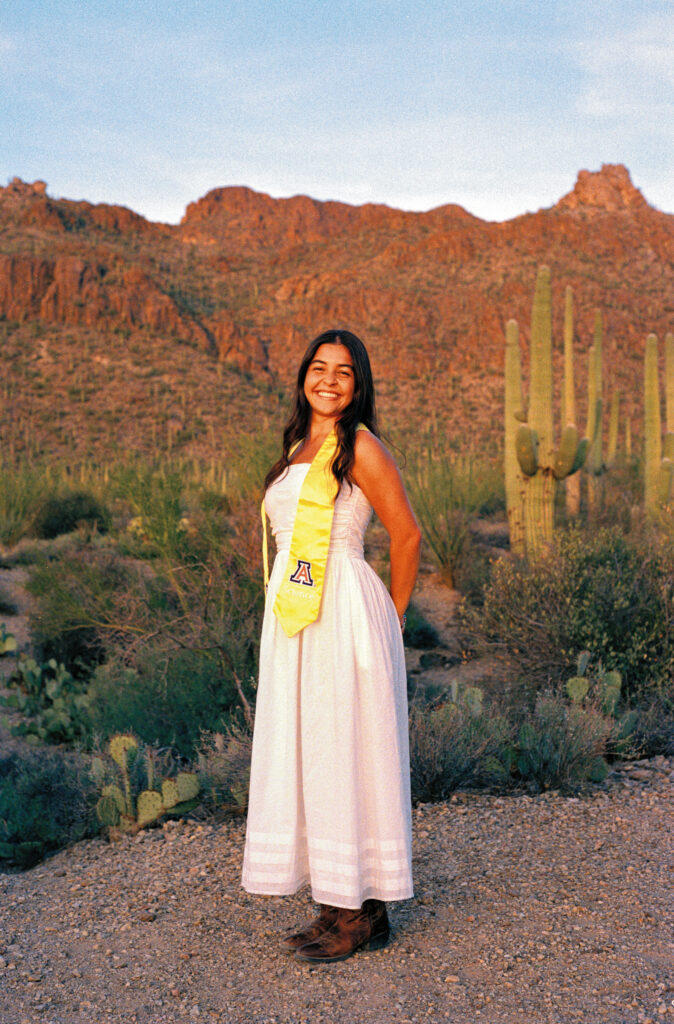
Ava Pal joined the Gothard Lab in August 2023 as an intrepid undergrad with an interest in medicine and a curiosity for science. She immediately revealed herself to be a deep thinker and willing to put herself out there, engaging with difficult concepts and even presenting posters early in her career. She was accepted into the Undergraduate Biological Research Program in 2024.
Ava has experienced every facet of the primate neurophysiology lab, first by training adolescent monkeys on in-cage tasks, then learning how to section brain regions and analyze cortical thickness from MRIs, as well as curating neural firing rates from electrophysiology experiments, ultimately completing her time in the lab with work analyzing behavioral responses to interoceptive manipulations.
Ava has been a picture of resiliency throughout her time in the lab, experiencing setbacks in projects, plus all the frustrations that come when working with both monkeys and computers. During her time with the Gothard Lab, she also found a passion for coding, and completed her degree in Neuroscience and Cognitive Science with minors in Computer Science and Spanish.
Despite graduating and returning to friends and family in other states, Ava will continue to assist on completing data analyses for the Interoceptive project under Michael Cardenas, further bolstering her resume as she plans her future.
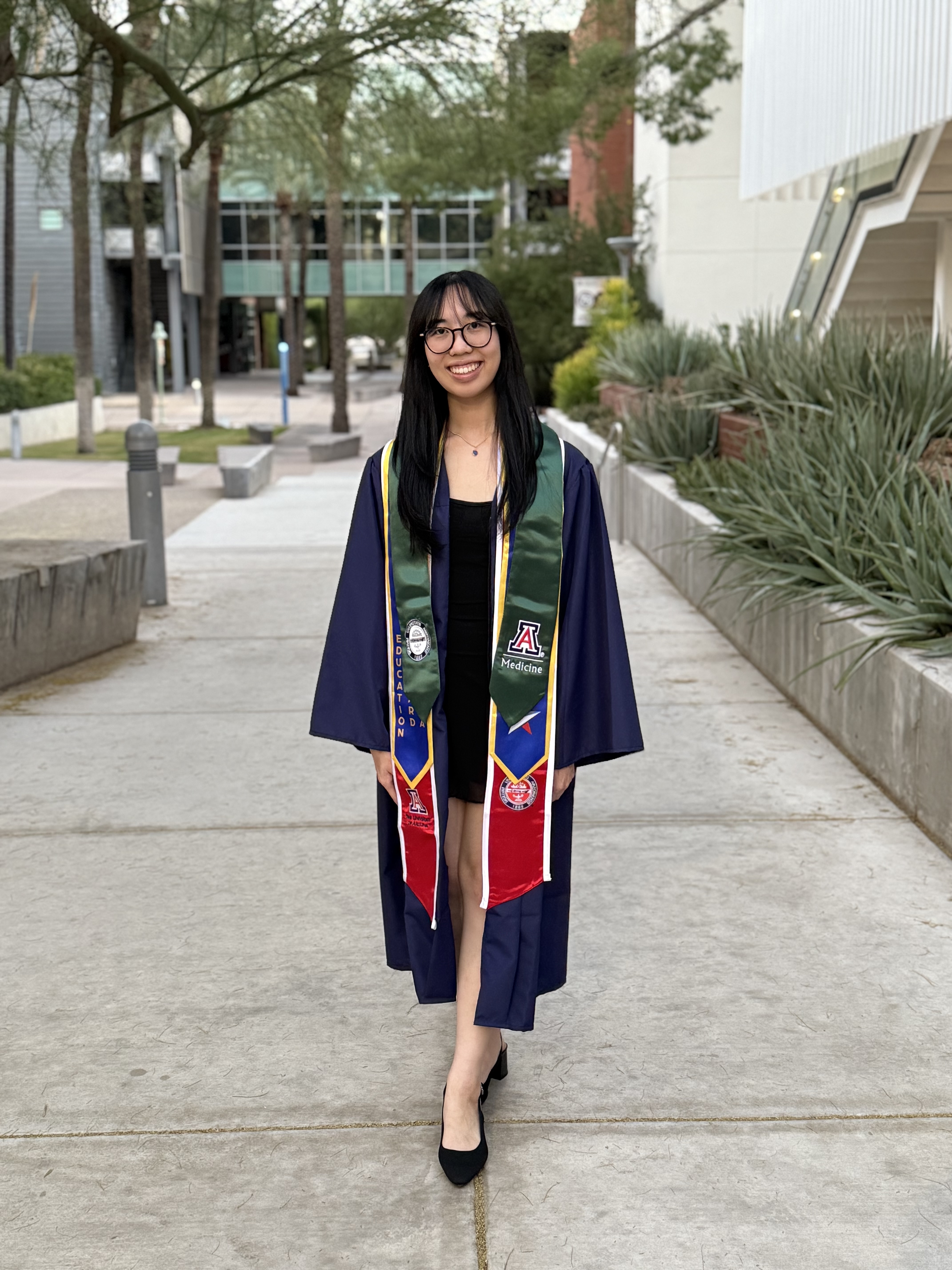
Alison Yaw joined the Gothard lab in January 2024 to learn more about neurophysiology in her journey to medical school. She proved herself to be particularly astute at understanding the minutiae of macaque facial expressions and became an expert in the Macaque Facial Action Coding System (MaqFACS).
Alison spent her years in the lab assisting in the development of a program that could automatically evaluate macaque facial expressions from videos, labeling over 10,000 frames of muscle movement, and analyzing the expressions produced by macaques under experimental conditions. She showed remarkable adaptability when another lab published their work with a complete automatic labeling program and her project required a pivot.
However, her years of knowledge on macaque expressions was not wasted. Through her work, Alison was able to determine the different ways that action units were activated in the most common facial expressions in macaques, and completed an honors thesis titled “Different Facial Action Units Define the Intensity of Macaque Facial Expressions.”
Alison is graduating with a degree in Physiology and a minor in Biochemistry. She was recognized by the university as the Physiology Outstanding Senior for Winter 2025. Of course, the lab knew she was outstanding well before this!
Her work will be well remembered in the lab with her Monkey Codex, a resource in the form of a large colorful poster detailing the activation of AUs in each type of facial expression.
Archer Bowrie began in the Gothard Lab in 2021 with an interest in the circuitry underlying algorithmic behaviors of social and affective processing. He was awarded funding through the NSF GRFP to evaluate how prefrontal-amygdala connections develop during adolescence and drive changes in complex social decision making. Archer set out with a longitudinal plan to complete morphometry, hormonal assays, behavioral tasks involving social development and delayed gratification, and diffusion MRIs.
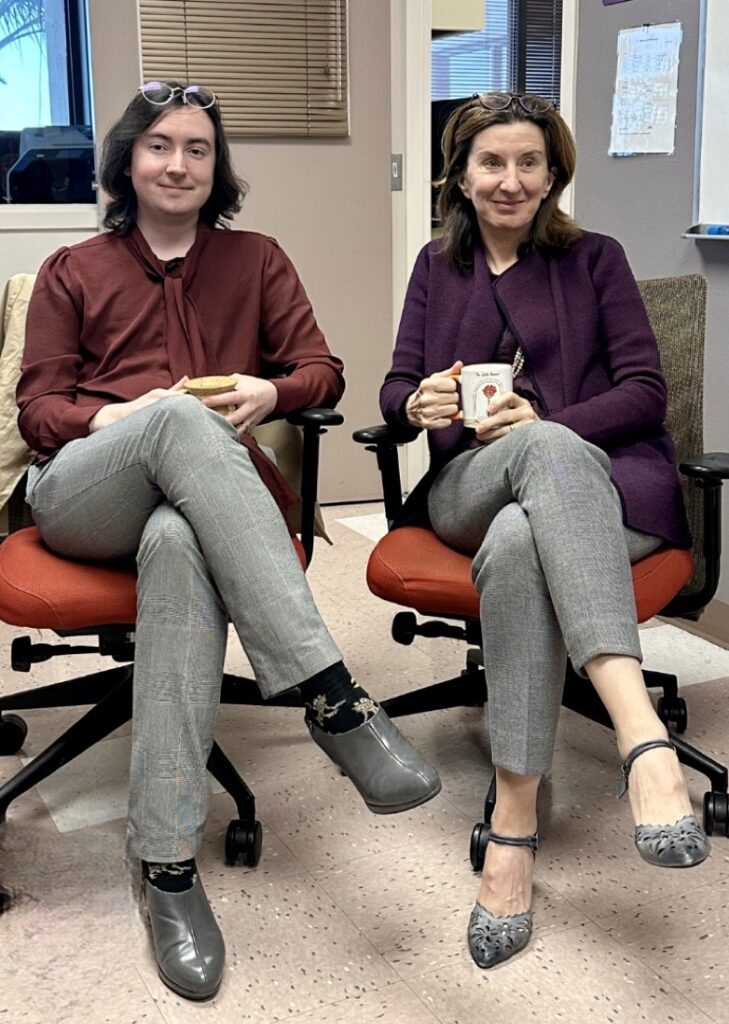
The first step was to build the cohort of animals that would be studied. By 2022, a group of four male monkeys filled the role, dubbed Coco, Peanut, Archibald and Benedict. These monkeys would be Archer’s joy and bane of his existence until the completion of his dissertation in 2025.
Training a group of monkeys is no simple task, and would require the creation of a team to train the animals, as well as a new apparatus to complete in-cage tasks. But nothing could have been done without Archer spending time with the animals, earning their trust, and teaching them to come touch their little grabby hands to a humans’ for treats. By the time the cohort was rounded out by a younger pair of monkeys, Vanilla and Hazelnut, the lab was proficient at handling the prepubescent monkeys and was able to collect data on them fast and efficiently.
During Archer’s time in the lab, more than 10 undergrads got their start working with monkeys on the Adolescent project. Archer’s work was supported by graduate students within the lab and across the university, collaborators from outside institutions, and an advisor who attempted to provide a guiding hand even when the subjects were novel to her.
Archer defended his dissertation, “Adolescent development of amygdalo-prefrontal circuit microstructure and its role in prosocial behavior of rhesus macaques,” on December 2nd 2025, decked out in appropriate monkey attire - a banana shirt. He detailed how the microstructural changes in the orbitofrontal cortex, amygdala, and anterior cingulate cortex and the white matter connecting them were predicted by developmental measures like age and hormone levels. He reported on the findings that prosocial development has a critical period in the beginning of puberty. Models that included all of the studied regions best predicted the behavioral development of prosociality over adolescence.
While Archer will always be connected to the Gothard Lab, he has begun to plan his next steps and is considering post-doctoral positions to further his knowledge on adolescent development in other primate models like humans.
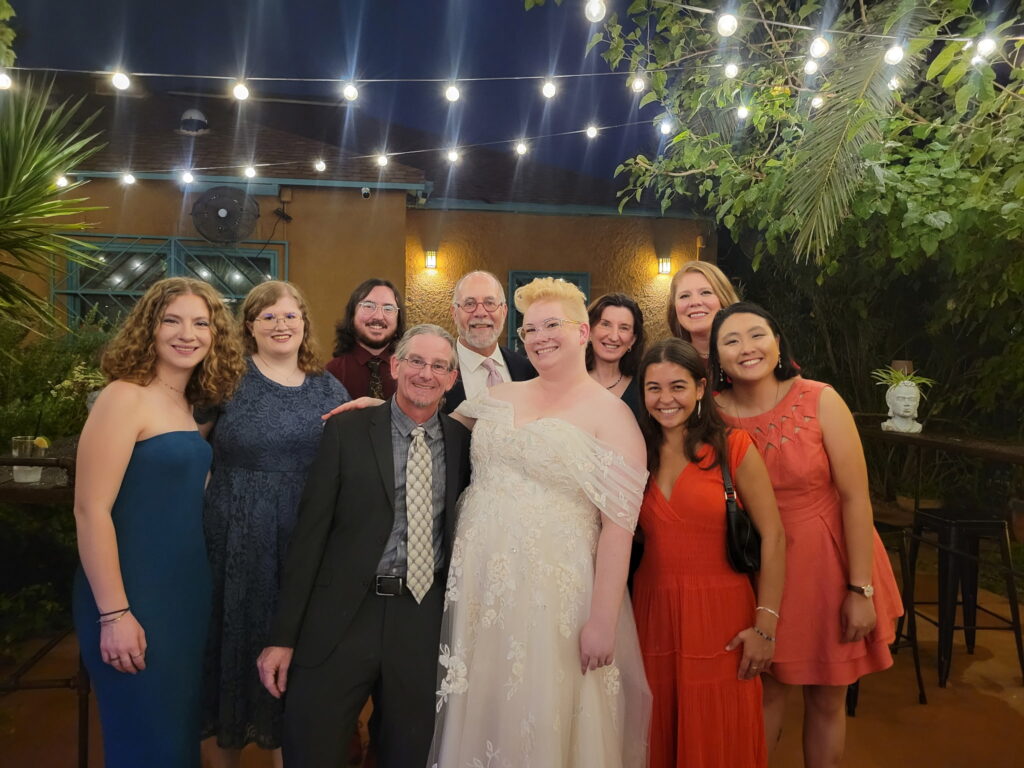
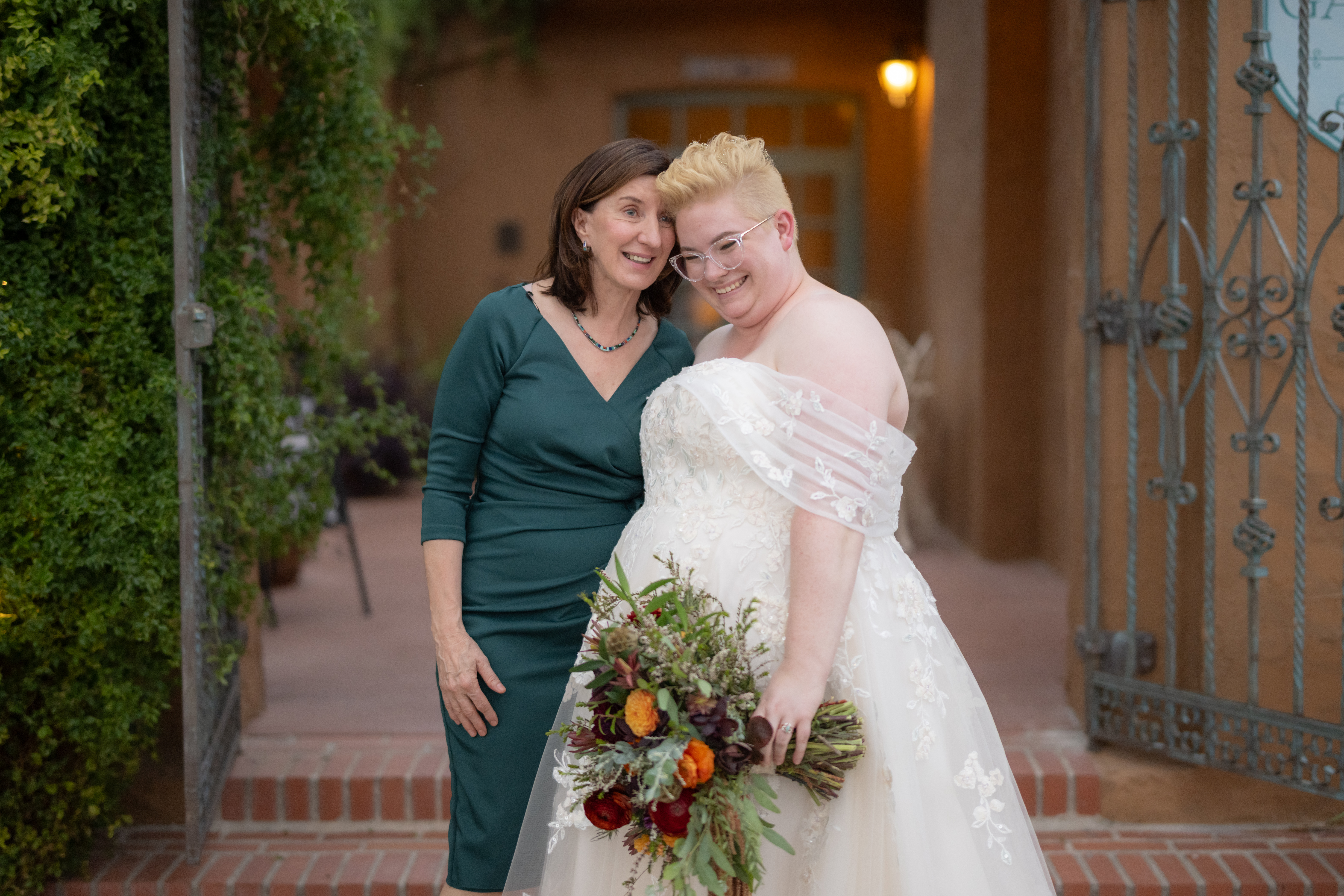
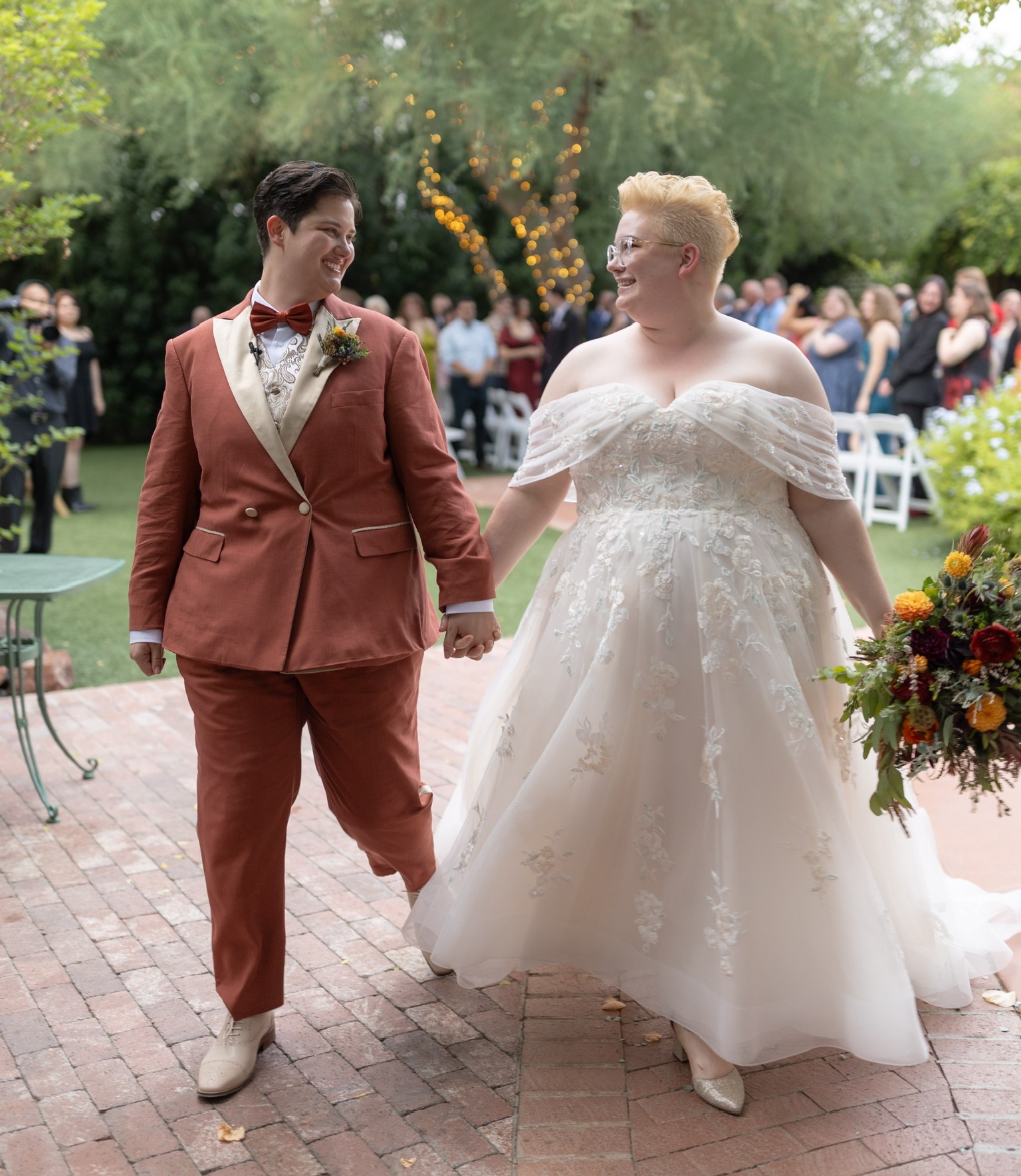
In other lab news, the lab coordinator Alexis decided to forgo the macaque norm of promiscuity and instead pursue the act of mating for life. Her nuptials were carried out surrounded by her own colony of primates.